
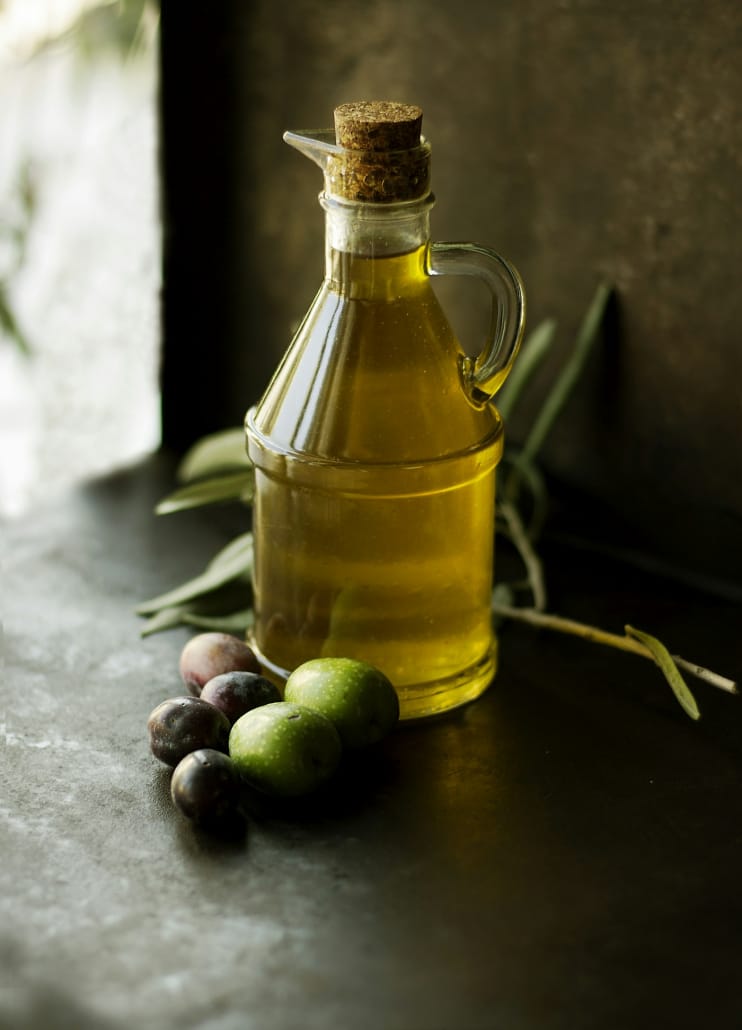
South Africa now sits at number twelve in the world’s olive oil ranking, despite producing under one per cent of the global harvest. In April 2026, De Rustica Olive Estate took first prize at the inaugural NOVA Awards in Córdoba, Spain. Mardouw Olive Estate landed at number twenty-four in the EVOO World Rankings — the highest position any South African producer has reached. The 2026 harvest is in bottle now, the new-season oils are on shelves, and South African olive oil is having a moment that has been twenty-five years in the making. This is the buyer’s guide for anyone wondering where to start, what to look for, and where the high-altitude Karoo orchards fit into the picture.
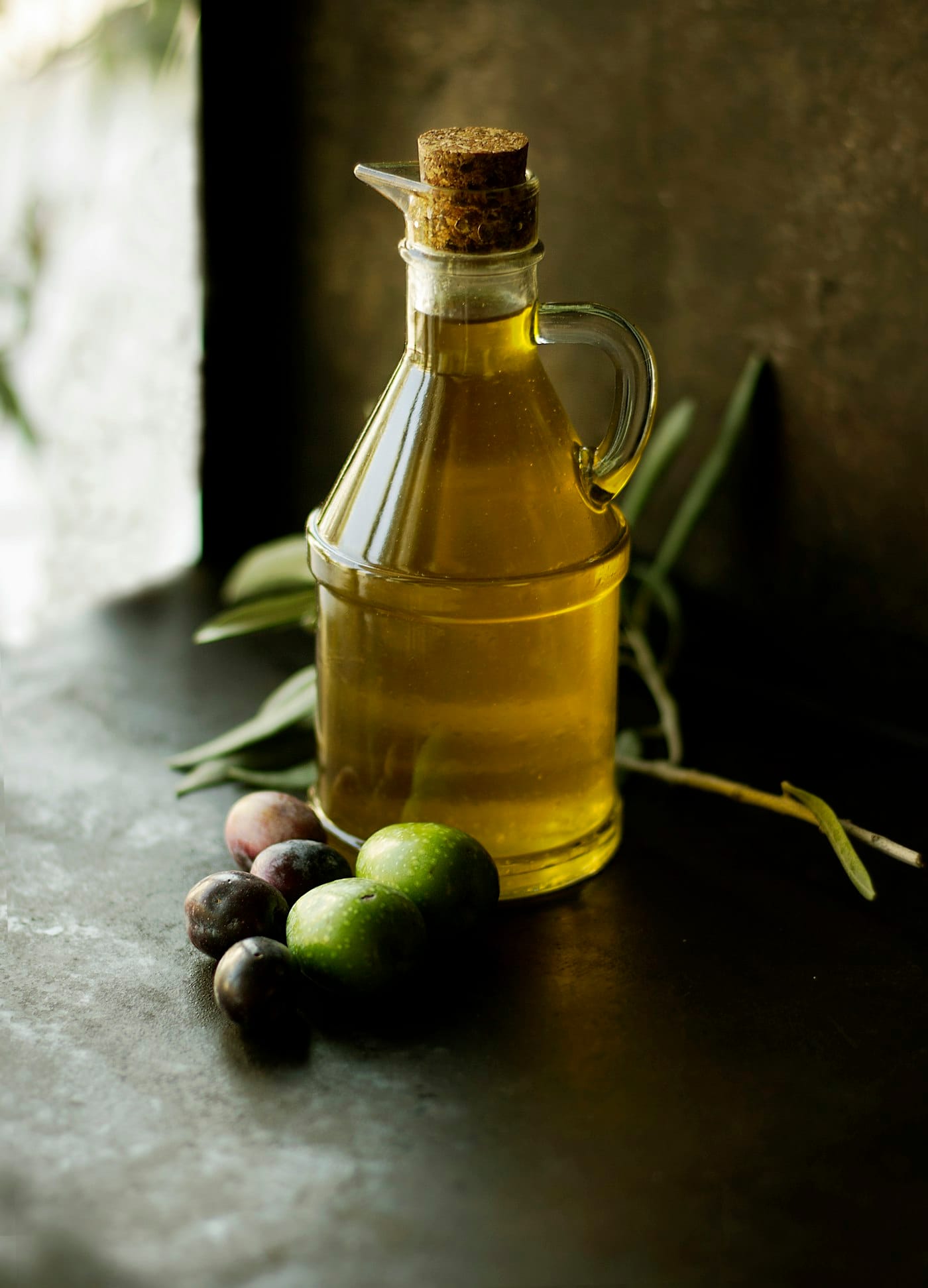
South Africa just cracked the world’s top twelve olive oil producers
The EVOO World Ranking, the international standard for olive oil performance, placed South Africa twelfth in its 2025/2026 list. Spain, Italy and Greece — the three countries that account for around ninety-five per cent of global production — predictably hold the top positions. The countries below them in the rankings have changed dramatically over the past decade. South Africa’s rise from the margins to a top-twelve position alongside Australia, Argentina and the United States reflects a producer base that has invested in the right cultivars, modern cold-pressing equipment and the patience that olive farming demands.
The country produces around 1.6 million litres of extra virgin olive oil annually. Compared with Spain’s roughly 1.5 billion litres, that is a rounding error. The point is not the volume. The point is the quality at the volume produced — South African producers do not have to sell oil to industrial blenders or supermarket private label, so the proportion of the harvest that ends up in bottle as single-estate extra virgin is unusually high.
Why South African EVOO is beating Mediterranean producers in blind tastings
The producer with the headline win in 2026 is De Rustica Olive Estate. At the inaugural NOVA Awards in Córdoba, Spain, in April 2026, their Estate Collection Favolosa took first prize against entries from across the world’s top producing countries. The judging panel was made up of olive oil heavyweights from Spain, Italy and Portugal — the home turf of the producers De Rustica beat.
The story of the 2026 harvest is not a single producer though. Mardouw Olive Estate placed twenty-fourth in the EVOO World Rankings, the highest any South African producer has achieved. Rio Largo, Tokara, Morgenster and Willow Creek have all collected international awards in 2025 and 2026. South African olive oil versus Mediterranean quality goes deeper into why the country’s terroir produces oils that consistently score well in international tastings — short version: the climate sits in the sweet spot between Spanish and Australian growing conditions, and the harvest window is the inverse of the Northern Hemisphere, meaning South African oil is fresh exactly when European oil is approaching its first birthday.
What ‘new season’ olive oil actually means — and why May to August is the window
The South African olive harvest runs March to July depending on the region and the cultivar. Picking starts in the early-ripening orchards of the Western Cape and Karoo, and continues through to mid-winter for the later-ripening Frantoio and Leccino plantings. Once picked, olives must be pressed within twenty-four hours to qualify as cold-pressed extra virgin — beyond that window, oxidation begins and the oil’s chemistry shifts away from the EVOO standard.
The bottling window for new-season South African oil runs from late June through August. By September, the oils are on shelves and in the pantries of the country’s better delicatessens, restaurants and farm shops. By the time European producers are bottling their 2026/2027 harvest in October and November, the South African 2026 oil is at peak flavour and shelf life.
For buyers, this means the freshest extra virgin olive oil available in South Africa right now is South African. Cold pressed extra virgin olive oil sets out the technical definition and why the ‘cold’ part matters — heat above twenty-seven degrees Celsius during pressing degrades the polyphenols that give the oil its peppery finish and most of its health benefits.
The 2026 award winners and producers ranking globally
The South African producers placing in international competitions in 2026 form a useful starting list for buyers. De Rustica leads on awards in 2026 with the NOVA first prize, building on their previous global rankings. Mardouw’s entry into the world top twenty-five is the country’s headline result. Rio Largo’s single-cultivar oils have collected gold medals at the New York International Olive Oil Competition for several consecutive years. Morgenster, the Stellenbosch estate, is the longest-established premium producer in the country and a fixture of the international medal lists.
Babylonstoren produces a range that is sold through the estate’s lifestyle outlets. Tokara and Willow Creek both have established export programmes and collect regular international recognition. The Karoo estates — including Kredouw, Prince Albert Olive Co. and Swartrivier (the home of O for Olive) — sit in a different category, producing in smaller volumes from high-altitude semi-desert orchards that yield distinctive, peppery oils.
For a side-by-side of why South African oil generally outperforms imported supermarket EVOO, see South African extra virgin olive oil outperforms most imports. The piece sets out the twenty-six per cent fraudulent-import figure that quietly haunts the SA supermarket EVOO category.
Prince Albert and the Karoo: high-altitude semi-desert produces the most peppery oils
The Karoo as an olive-growing region surprises most South Africans. Stellenbosch and Paarl get the marketing budget; the Karoo gets the orchards no one writes about. Prince Albert sits at six hundred and forty metres above sea level at the foot of the Swartberg, with summer days that climb above thirty-five degrees and winter nights that drop below freezing. Olive trees love that range. The trees set deep roots, the harvest period is sharp, and the resulting oils carry pronounced peppery notes from the higher polyphenol content the climate produces.
The Swartrivier orchards, home of O for Olive, run to several thousand trees across Mission, Manzanilla, Frantoio and Leccino plantings. The harvest is hand-picked and pressed within twenty-four hours at the on-farm mill, four kilometres from the village. The Karoo terroir gives the oil a distinctive grassy, peppery, slightly bitter finish that scores well at international competitions and works particularly well in robust dishes — slow-cooked Karoo lamb, oven roasted vegetables, and the kind of slightly stale farm bread that an excellent oil rescues.
Olive farms to visit in the Western Cape sets out the touring route for visitors wanting to taste through the country’s olive regions in a single trip — Stellenbosch, Paarl, the Overberg and the Karoo all earn a stop.
How to read a South African olive oil label
Six things on the label tell you whether the bottle in front of you is worth its price:
- Harvest date. The single most important number. South African oils harvested in the current calendar year are the freshest you can buy in South Africa right now. If the label says only ‘best before’ without a harvest date, ask the producer.
- Single estate vs blend. Single estate means every olive came from one farm. Blends combine fruit from multiple farms — common in commodity oil, less common in the premium tier. Both can be excellent; single estate is usually the more interesting choice for buyers who want a specific terroir.
- Cultivar. Frantoio, Leccino, Mission, Manzanilla, Coratina, Favolosa. Each cultivar produces a distinctive flavour profile. Coratina and Favolosa lead on peppery intensity. Mission and Manzanilla sit milder. A label that names the cultivar tells you the producer cares.
- Cold pressed or first cold pressed. Both are required for extra virgin status. The terms confirm the oil has not been heat-treated or solvent-extracted. Cold pressed olive oil covers the detail.
- Acidity number. Free fatty acid percentage. Anything under 0.8% qualifies as extra virgin under the international standard. The best South African oils sit at 0.2-0.3% — well below the threshold.
- SA Olive certification mark. The South African Olive Industry Association runs a quality scheme that audits producers’ bottling claims. The seal on the bottle indicates an independently verified extra virgin oil — useful when twenty-six per cent of supermarket imports are mis-labelled.
For a deeper buyer’s guide on telling real EVOO from the imitations sitting next to it on the shelf, real versus fake extra virgin olive oil covers the home tests that work without specialist equipment.
Where to taste the 2026 harvest in person
South Africa has around sixty commercial olive estates, the majority within a three-hour drive of Cape Town. The Western Cape route runs from Stellenbosch and Paarl through to the Overberg and on to the Karoo. Most estates run tasting rooms with a small fee, sample bottles, and farm shops selling table olives, tapenades and the related products that cluster around an olive operation.
For visitors with a long weekend, a weekend in Prince Albert sets out the itinerary that combines the Swartberg Pass, the village’s restaurants and shops, and a visit to the working olive farm that produces the area’s most peppery oils. The Swartberg Pass road trip guide covers the longer route from Cape Town across to Oudtshoorn and back through Prince Albert.
For buyers who would rather taste before they travel, the 2026 release range is available now from the on-farm shop and from the country’s better delicatessens.
The O for Olive 2026 release
The O for Olive 2026 harvest came in earlier than usual this year — the dry summer pulled ripening forward by about three weeks across the Mission and Manzanilla plantings. Picking ran through May and into early June. The first cold-pressed bottles came off the bottling line in late July and are on shelves now.
The 2026 vintage shows the characteristic Karoo peppery finish slightly more pronounced than the 2025, with grassy notes from the early Mission cultivar pressing and a longer afterglow on the palate from the Frantoio. Acidity sits at 0.24% — well below the extra virgin threshold and consistent with the previous five harvests. The oils are available in 250ml, 500ml and 750ml bottles, with the larger sizes typically chosen by households cooking through the year and the 250ml bottles by gift buyers and tasters.
For health-conscious buyers wanting the science behind the daily-spoonful habit, the proven health benefits of olive oil sets out the cardiovascular, anti-inflammatory and longevity findings from the major studies — including the Harvard cohort that tracked over ninety thousand participants for twenty-eight years.
Visit, taste, take some home
The 2026 release is in bottle. Café O is open Tuesday to Friday from 09:00 to 16:00 and weekends from 09:00 to 14:00. Tastings run through the harvest year and the on-farm shop carries the full range — extra virgin olive oil, table olives in seven preparations, black and green tapenades, olive condiments and the year-end hampers that pair the oil with the farm’s other products. Visit O for Olive at Swartrivier Farm, four kilometres from Prince Albert village, and taste the oil that put the Karoo on the international olive map.


