
Cold pressed olive oil is extracted at temperatures below 27 degrees Celsius using mechanical force alone — no heat, no chemical solvents. This single constraint preserves over 90 percent of the antioxidants, polyphenols and volatile flavour compounds that make extra virgin olive oil valuable for both health and cooking. Heat extraction, by contrast, destroys up to 30 percent or more of these compounds and produces a bland, nutritionally diminished oil. At O for Olive, every bottle of extra virgin olive oil from Swartrivier Farm in Prince Albert is cold pressed within 24 hours of harvest to preserve the full spectrum of what the olives contain.
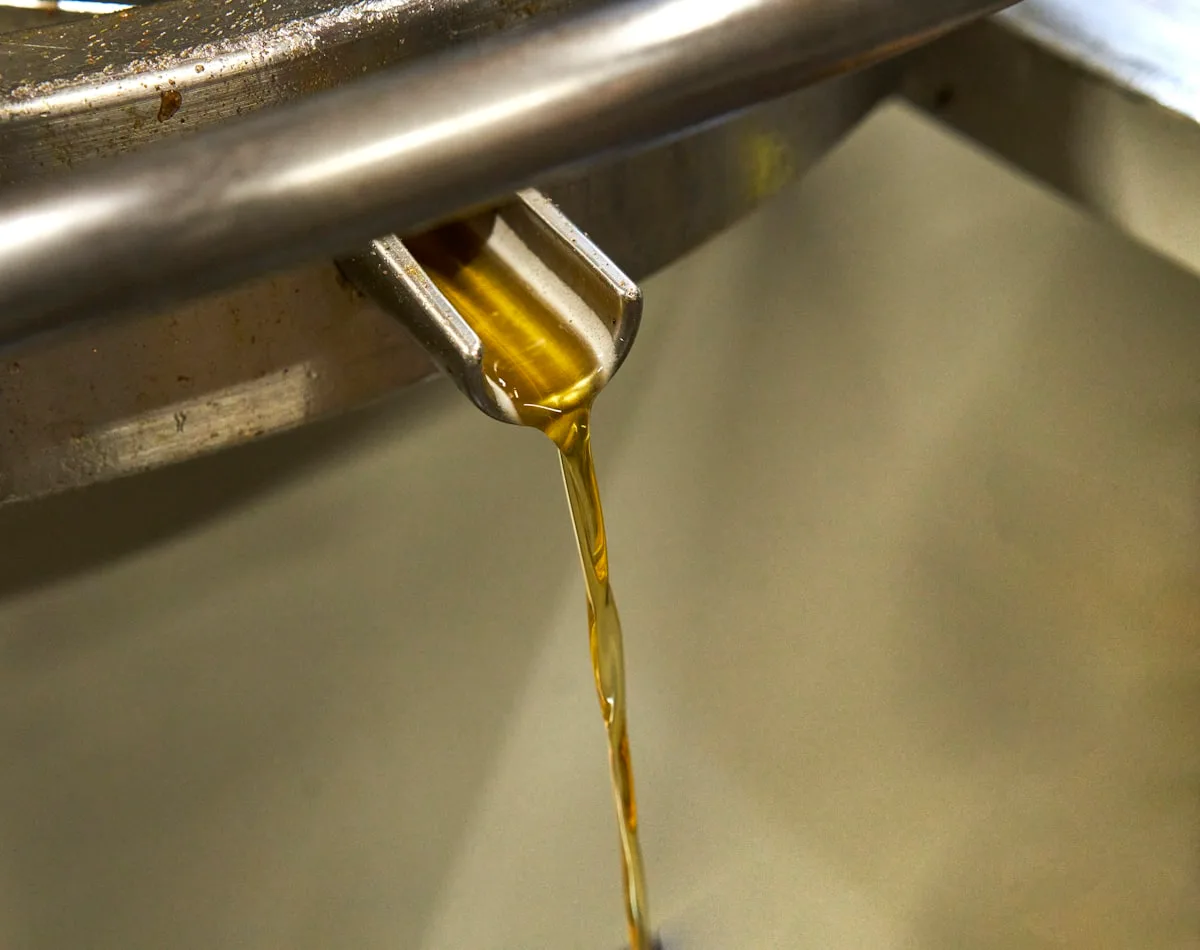
The 27-Degree Line
The International Olive Council and the USDA set the threshold at 27 degrees Celsius. This is not arbitrary. Above that temperature, enzymatic activity declines sharply, volatile aroma compounds evaporate, oxidation accelerates and the phenolic compounds that give extra virgin olive oil its health benefits begin to break down. The oil mill must maintain this temperature throughout the entire extraction process — not just at one point.
The result of staying below 27 degrees is an oil with 2 to 3 times more polyphenols than heat-extracted alternatives. Those polyphenols include oleocanthal — the compound responsible for the peppery sting at the back of the throat when tasting fresh extra virgin olive oil. That sting is not a flaw. It is a direct indicator of anti-inflammatory potency. Research published in Nature found that oleocanthal inhibits the same inflammatory pathways as ibuprofen.
How the Process Works
Olives are harvested and must be pressed within 24 hours — oxidation begins the moment the fruit leaves the tree. The olives are washed, sorted and crushed into a paste. The paste is slowly mixed in a process called malaxation, where water is introduced to push oil molecules together. The oil is then separated either by hydraulic press or centrifuge, with temperature monitored throughout.
At Swartrivier Farm, olives from over 3,000 mature trees — Mission, Manzanilla and Leccino cultivars — are processed on-site in the farm’s own pressing facility. The proximity of grove to press is the advantage. There is no transport delay, no waiting in a queue at a communal mill. The olives go from tree to press within hours.
The “First Cold Press” Myth
The phrase “first cold pressed” appears on many olive oil labels and sounds impressive. It is largely meaningless. All genuine extra virgin olive oil is extracted below 27 degrees by definition. There is no “second press” in modern production — olives go through the centrifuge once. The term dates to a time when communal stone mills were used and a second pressing with hot water produced lower-quality oil. That practice ended decades ago.
What actually matters is the harvest date (not just the best-before date), the time between harvest and pressing, the olive cultivar, and how the oil is stored after extraction. Dark glass or tin packaging protects against light degradation. A harvest date tells you freshness. “First cold pressed” tells you nothing that the words “extra virgin” do not already guarantee.
Can You Cook with Cold Pressed Olive Oil
Yes. The persistent myth that extra virgin olive oil cannot be used for cooking has been thoroughly debunked. The smoke point of high-quality extra virgin olive oil sits between 177 and 210 degrees Celsius — well above the temperatures used in home sauteing, roasting and baking. Research has shown that extra virgin olive oil heated at over 175 degrees for 36 hours straight maintained impressive stability against oxidation and retained most of its nutritional properties.
Use cold pressed extra virgin olive oil for everything: finishing, dressing, dipping, sauteing, roasting. The polyphenols that survive cold extraction also help the oil resist breakdown during cooking. It is more stable than many seed oils that are marketed specifically for high-heat use.
What to Look for When Buying
A harvest date on the label. Dark glass or tin packaging. A peppery, grassy or fruity flavour profile — if it tastes flat or greasy, it is not genuine extra virgin. In South Africa, the SA Olive CTC seal guarantees 100 percent local origin and independent quality testing. Ignore “first cold pressed” on the label. Look instead at where the olives were grown, when they were harvested and how quickly they were pressed.
At O for Olive, every bottle traces back to Swartrivier Farm in Prince Albert — Karoo-grown olives, cold pressed on-site, bottled and ready.
Find a stockist near you or visit the farm to see the pressing process yourself.