
Extra virgin olive oil (EVOO) is one of the most studied foods in nutritional science. A 2025 peer-reviewed report of cardiovascular outcomes found regular EVOO consumption improves protection against inflammation, oxidative stress, blood pressure and endothelial function. This guide summarises what the research says, how much you need to take (in tablespoons), how to recognise an oil that delivers benefits, and why Karoo grown EVOO consistently shows higher polyphenol content than most imported alternatives on South African shelves.
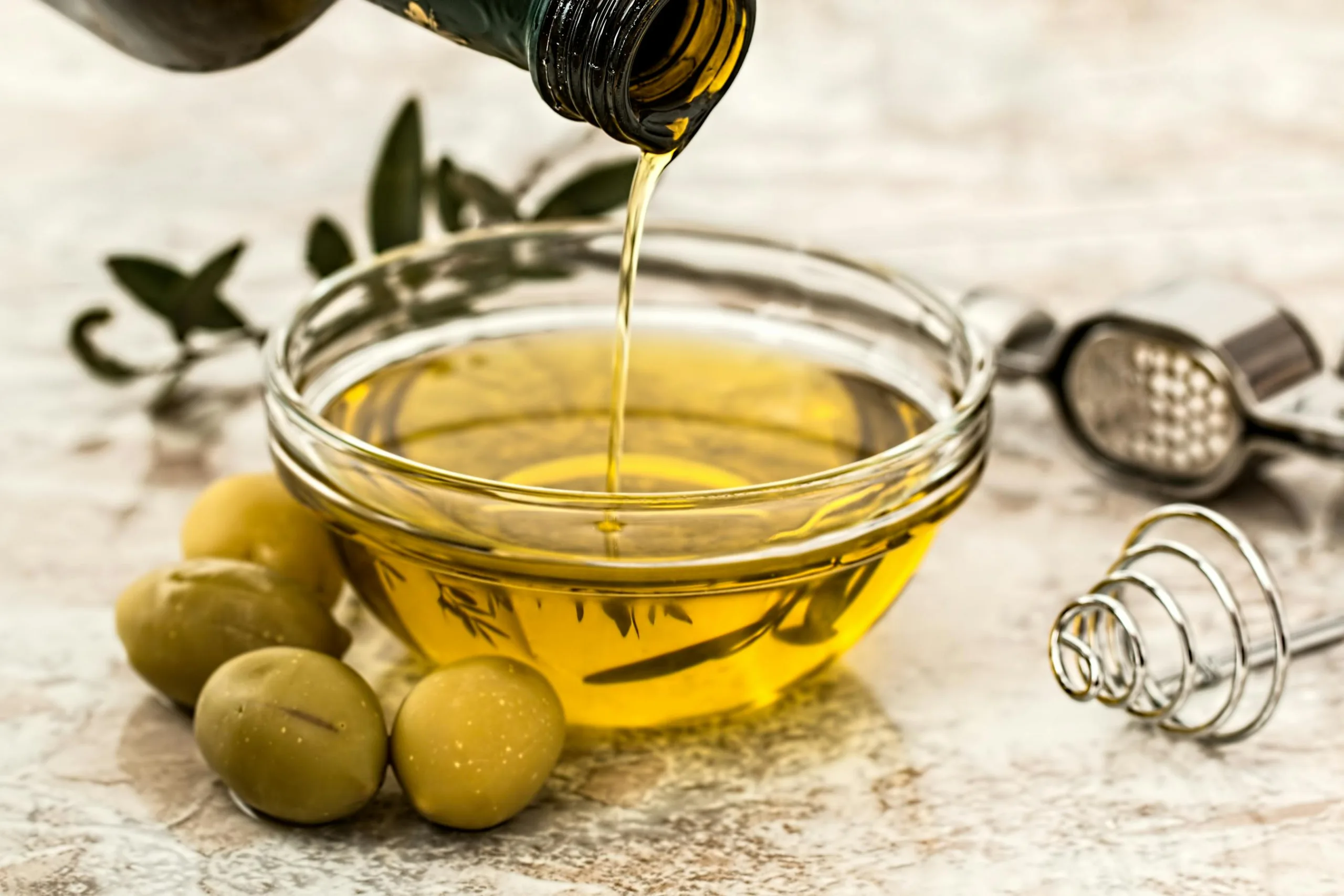
EXTRA VIRGIN OLIVE OIL BENEFITS AT A GLANCE
Beneficial daily dose: 1 to 2 tablespoons (15 to 30 ml)
Cost per day at South African prices: around R5 to R12 for premium cold pressed
The active compound: polyphenols (oleocanthal, oleuropein, hydroxytyrosol)
The benchmark for genuine EVOO: free fatty acid (FFA) below 0.8 percent. Karoo cold pressed sits at 0.2 to 0.4 percent.
The home test: a real EVOO produces a peppery throat-catch when tasted neat. That sensation is the polyphenol oleocanthal at work.
Top researched benefits: heart health, brain protection, lower inflammation, better blood sugar control, prolonged cellular life
What the research says about extra virgin olive oil benefits
Most of the evidence comes from research built around the Mediterranean diet, and the active ingredients are not the fat itself but the polyphenols oleocanthal, oleuropein and hydroxytyrosol. These antioxidants are present in cold pressed extra virgin oils and largely destroyed during the refining that produces ordinary and light olive oil. The 2013 PREDIMED trial, the largest dietary study of its kind, followed 7,447 high-risk adults over five years; a 2025 review in the journal ‘Nutrients’ by MDPI summarised the cardiovascular evidence. The findings cluster into five areas:
- Heart health: PREDIMED found EVOO cut major cardiovascular events by 30 percent versus a low fat control. Cleveland Clinic links daily EVOO to lower LDL cholesterol, lower blood pressure and reduced stroke risk, and recommends two to three tablespoons a day in place of butter or seed oils.
- Brain protection: a 2023 Harvard study of 92,383 adults over 28 years found those eating more than seven grams of olive oil a day had a 28 percent lower risk of dying from dementia. Oleocanthal helps clear the amyloid-beta plaques implicated in Alzheimer’s.
- Lower inflammation: a 2005 study by Beauchamp and colleagues in Nature showed oleocanthal acts on the same pathway as ibuprofen. The peppery sensation in good EVOO is that compound at work. No pepper, no oleocanthal.
- Blood sugar: PREDIMED recorded a 40 percent drop in new-onset type 2 diabetes among participants on a Mediterranean diet that included EVOO, compared to those on a low fat control diet.
- Digestive health: EVOO stimulates bile and the absorption of fat-soluble vitamins, and its polyphenols act as prebiotics, feeding the gut bacteria associated with reduced inflammation.
The European Food Safety Authority has authorised one health claim for olive oil polyphenols: 5 mg of hydroxytyrosol per 20 grams of oil a day protects blood lipids from oxidative stress. It is the only EU food claim of its kind, and the benchmark serious producers cite.
How much extra virgin olive oil should you take daily?
Clinical literature converges on one to two tablespoons (15 to 30 ml) per day as the dose where measurable benefits begin to appear. The PREDIMED trial used at least four tablespoons (60 ml), but that is the upper end, reached by using EVOO as the main cooking fat rather than drinking it neat. A practical pattern: one tablespoon neat in the morning (a squeeze of lemon helps if the peppery finish is strong at first), the rest worked into cooking through the day in place of butter or sunflower oil. The benefit accumulates over weeks, not days; cardiovascular markers typically begin to shift after eight to twelve weeks of consistent intake.
What does a daily EVOO habit cost in South Africa?
One litre of premium cold pressed Karoo EVOO retails at around R250 to R350. That works out to roughly R4 to R5 per tablespoon. A daily two-tablespoon habit costs about R8 to R10 per day, R250 to R300 per month.
Supermarket-tier blended oil costs less per tablespoon, but the benefit is in the polyphenols, not the calories, and lower-cost oils deliver fewer of the active compounds that studies attribute health benefits to. A refined olive oil holds roughly 30 to 50 mg of polyphenols per kilogram. A high-polyphenol cold pressed extra virgin can hold 400 mg or more, ten times the concentration.
The bitter pepper test: how to tell if your EVOO is real
The single best test for a real extra virgin olive oil is a sip neat. A genuine cold pressed EVOO with active polyphenols produces three sensory signals in sequence:
- Fruit on the nose and front of the palate: green grass, freshly cut hay, sometimes tomato leaf or artichoke.
- Bitterness in the middle of the tongue: a clean, plant-like bitterness, not a sour or rancid one.
- Pepper at the back of the throat: a catch or tickle that can make you cough on the first sip. This is oleocanthal. No pepper, no oleocanthal.
A refined olive oil tastes flat. A rancid oil tastes like crayons or wax. A real EVOO tastes alive. The Mario Solinas Quality Award (organised by the International Olive Council) judges oils on exactly this sequence, and South African producers including Karoo estates have won gold medals in recent years.
Why does Karoo EVOO often have higher polyphenol content?
South African EVOO is increasingly recognised internationally, with multiple gold medals at the 2024 New York International Olive Oil Competition going to South African producers in the Klein Karoo and Swartland. The reason is the same as for fine wine: terroir matters. Olive trees in semi-arid Karoo conditions produce smaller, fewer fruit with concentrated flavour compounds. The same cultivar grown in coastal Stellenbosch or inland Prince Albert produces noticeably different oil, the Karoo version tending to be peppery, grassy and high in polyphenols. For the health benefits the research describes, polyphenol content is what counts, and that is where Karoo grown EVOO consistently performs.
At O for Olive on Swartrivier Farm, the harvest from April to May produces cold pressed EVOO with free fatty acid (FFA) values typically between 0.2 and 0.4 percent, well inside the 0.8 percent threshold for extra virgin certification. To be pressed within six hours of picking, and to be cold pressed, preserves the polyphenol fraction that delivers the benefits this guide describes. For the broader context on South African olive varieties and curing, see our South African olives buyer’s guide.
What to look for on the label
- Cold pressed or first cold pressed: indicates the oil was extracted at low temperature without solvents. Required for polyphenols to survive.
- Free fatty acid (FFA) below 0.8 percent: the legal threshold for extra virgin certification. The lower the better. Karoo oils often hit 0.2 to 0.4 percent.
- Harvest year on the label: olive oil is best consumed within 18 months of harvest. After that the polyphenols decline measurably. Look for this year’s or last year’s harvest (not current year). If there is no harvest date on the bottle, treat that as a quality warning.
- Dark glass or tin packaging: clear bottles let light degrade the oil. Premium producers use dark glass or tin for extended shelf-life.
- Country of origin clearly stated: blended oils labelled “product of EU” or with no origin are typically lower quality. South African-grown oils benefit from the freshness of a short supply chain.
How to use extra virgin olive oil to get the benefit
The simplest entry pattern: replace the cooking fats you already use with EVOO. Dip bread instead of buttering, use to prepare scrambled eggs (instead of butter) and roasted vegetables. The substitution alone increases daily polyphenol intake without changing the meal.
For more involved cooking, see our cooking with extra virgin olive oil guide, which covers the science on smoke point, when EVOO can be heated, and which preparations preserve the most polyphenols.
One simple, daily practice that the Mediterranean tradition has used for centuries: drizzle a tablespoon of cold EVOO over the finished dish, after cooking, just before serving. The fresh oil is at full polyphenol strength because it has not been heated.
Visit a working Karoo olive farm
If you want to taste the difference between a high-polyphenol cold pressed EVOO and what most South Africans have on the shelf, the most direct way is to visit the press. The Klein Karoo route from Prince Albert through Calitzdorp passes several olive farms in a day’s drive.
Plan an olive farm tour and tasting at O for Olive on Swartrivier Farm in Prince Albert, or book a table at Cafe O for lunch surrounded by working olive groves. The tasting is informal and the staff explain what makes Karoo olive oil different from the alternatives on the supermarket shelf.