
Olives are one of the few snacks that are genuinely good for you, and table olives in a bowl earn their place for the same reasons olive oil does. They are rich in monounsaturated fat and plant antioxidants linked to heart health, lower inflammation and better cholesterol. However, there’s one catch: the salt. This guide covers what olives do for your body, whether green or black is healthier, how many to eat, and how the way an olive is cured changes the answer. We grow and cure our own olives in Prince Albert in the Karoo, 4km outside town, so the salt question is one we live with every season.
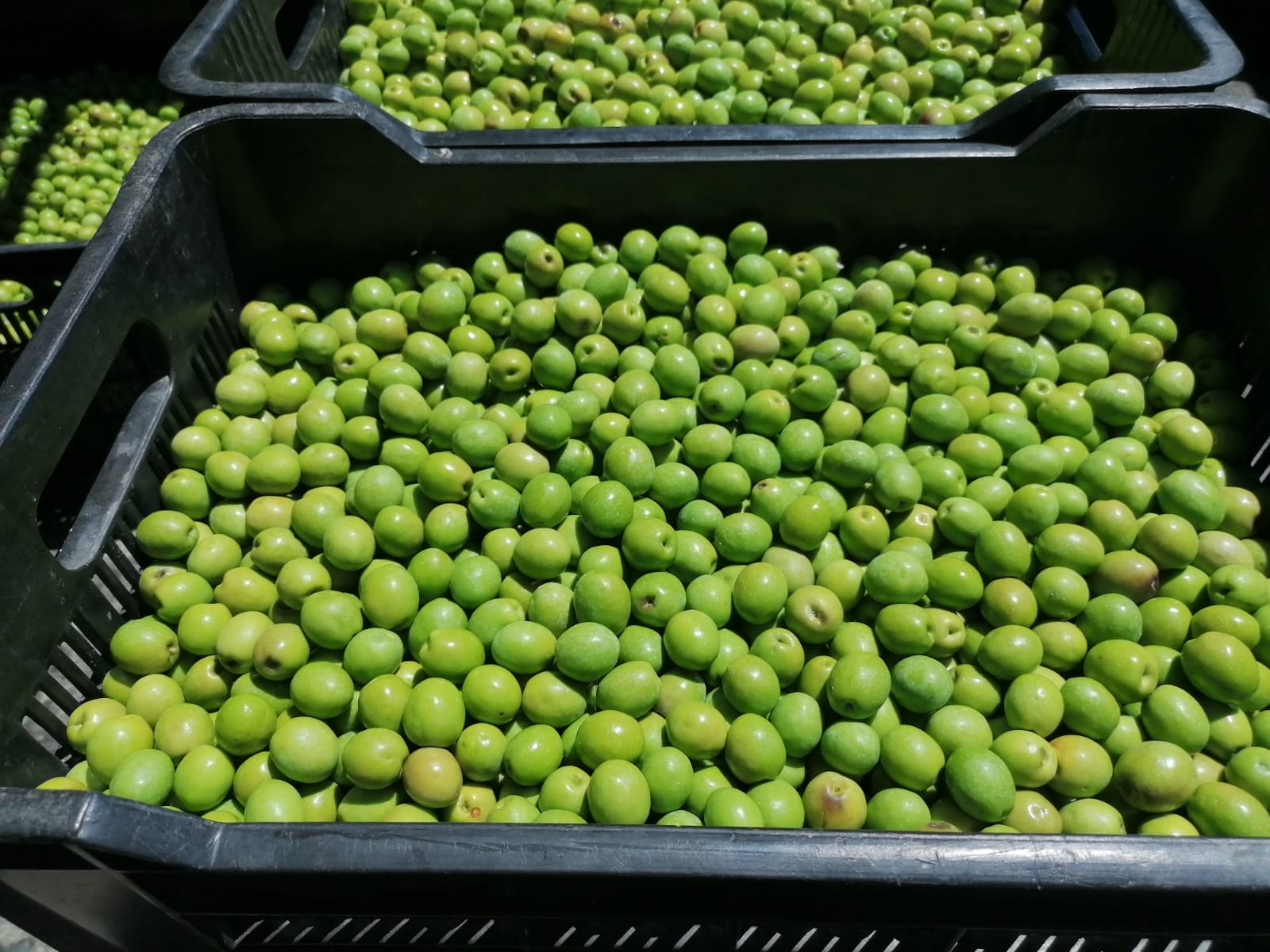
What are the health benefits of olives?
Olives are good for you because they are rich in monounsaturated fat, fibre, vitamin E and plant antioxidants that support heart health and lower inflammation. They are a whole fruit, not a processed snack, and most of their fat is the heart-friendly kind.
The headline compound is oleic acid, the same monounsaturated fat (a fat that stays liquid at room temperature and is linked to better cholesterol) that makes olive oil so well regarded. Alongside it sit polyphenols, the natural plant compounds behind the slightly bitter, peppery edge of a good olive. The most studied of these in table olives is hydroxytyrosol (a powerful antioxidant that helps protect your cells from damage). A 2020 review of table olives in the journal published by the National Institutes of Health found these compounds are the main reason olives carry the health reputation they do.
Add vitamin E, iron and fibre, and you have a small fruit doing a lot of quiet work. None of this is a cure for anything. Olives are simply a genuinely nourishing part of a balanced plate, which is more than most things you snack on can claim.
Are olives good for your heart?
Yes, olives support heart health, mainly through their monounsaturated fat and polyphenols. Oleic acid is associated with lower levels of ‘bad’ LDL cholesterol while helping maintain ‘good’ HDL cholesterol, and that balance matters for your arteries over time.
This is the part olives share with the wider Mediterranean way of eating, where olives and olive oil sit at the centre of the plate. The British Heart Foundation is clear that whole olives and good olive oil fit a heart-healthy diet, while also noting there is no magic in drinking oil by the spoon. The benefit derives from olives being a regular, everyday part of how you eat, not from any single heroic dose.
It helps that olives make the rest of a healthy plate more enjoyable. A handful of olives, some good bread and a drizzle of cold pressed extra virgin olive oil (EVOO) turns plain food into something you actually look forward to. You can read more about that side of things in our guide to cold pressed extra virgin olive oil.
Are green or black olives healthier?
Green and black olives are nutritionally very similar, because they are the same fruit picked at different stages of ripeness. Green olives are harvested earlier, black olives later, and both deliver the same core mix of healthy fat, vitamin E and antioxidants.
There are small differences worth knowing. Green olives, picked under-ripe, tend to carry slightly more of certain polyphenols. Fully ripe black olives can be marginally higher in iron. The gaps are small enough that the better advice is simple: eat the ones you enjoy, and eat a mix. What matters far more than colour is how the olive was cured and how much salt it carries.
One caution on colour. Some lower-cost black olives on supermarket shelves are actually green olives darkened with an additive rather than ripened on the tree. A naturally ripened black olive, cured slowly, is the one you want. Our own range covers black, green, mixed, smoked and herb olives, all cured the slow way, and you can see them on our olive products page.
How many olives should you eat a day?
A sensible daily amount is a small handful, roughly 15 to 20 grams, which is enough to enjoy the benefits without too much salt. Olives are nourishing, but they are cured in brine, so the limit is set by sodium rather than by fat or calories.
To put numbers on it, a portion of around 10 olives is a reasonable daily serving for most people. If you are watching your blood pressure or holding fluid, keep it lighter, and a quick rinse under cold water washes some of the surface salt away. The fat in olives is the good kind, so it is rarely the thing to worry about. The salt is.
This is exactly where the way an olive is made starts to matter, which brings us to the part most health guides skip.
Want olives cured the slow, traditional way?
See our range of Karoo table olives, from green and black to smoked and herb. See my olive range
Does curing change how healthy olives are?
Yes. How an olive is cured is the single biggest factor in how much salt it carries, and salt is the one real health drawback of table olives. A raw olive off the tree is far too bitter to eat, so every olive you have ever enjoyed has been cured, and the method makes the difference.
Slow curing in brine, the traditional method, develops flavour over weeks and months and lets you control the salt. Faster industrial methods lean harder on salt and sometimes lye to speed things up. While the fruit underneath is still healthy, the difference shows up in sodium levels and the taste. This is an honest trade-off behind table olives, and it is one a working olive farm thinks about constantly, because we are the ones deciding how long a batch sits in brine.
At Swartrivier Farm we cure slowly, the old way, which is partly a flavour decision and partly why our olives taste so special. The Karoo climate helps too. Hot dry days and cold nights produce a fruit with real character before it ever reaches the brine. If you want to understand the varieties and curing methods in more depth, our guide to South African olives goes further.
Can you eat olives every day?
Yes, you can eat olives every day, and a small daily portion fits comfortably into a healthy diet. The Mediterranean way of eating, one of the most studied healthy diets in the world, includes olives almost daily, so a regular handful is a well-established habit rather than an indulgence.
The only thing to keep an eye on is your total salt intake across your whole day, not just from olives. If your diet is otherwise low in processed food, a daily serving of olives is an easy, nourishing addition. Pair them with fresh vegetables, good bread and a little extra virgin olive oil and you are eating the way some of the longest-living communities in the world do.
Taste the difference slow curing makes
Visit Swartrivier Farm for an olive tasting and see how Karoo olives are grown and cured. Plan my farm visit
Prefer to shop closer to home? Find a stockist near you.
Frequently asked questions about the health benefits of olives
What are the health benefits of olives?
Olives are rich in monounsaturated fat, fibre, vitamin E and antioxidants such as hydroxytyrosol. These support heart health, help lower inflammation and protect cells from damage, which is why olives are a valued part of the Mediterranean diet.
Are green or black olives healthier?
Green and black olives are nutritionally very similar, as they are the same fruit at different ripeness. Green olives carry slightly more of some polyphenols and black olives a little more iron, but how the olive is cured and salted matters more than its colour.
How many olives should you eat a day?
A small handful, about 15 to 20 grams or roughly 10 olives, is a sensible daily amount. The limit is set by the salt from curing rather than the fat, so rinse them if you are watching your sodium.
Can you eat olives every day?
Yes. A small daily portion of olives fits well into a healthy, balanced diet, as it does in the Mediterranean way of eating. Just keep an eye on your total daily salt intake across all foods, not olives alone.
Are olives good for your heart?
Yes. The monounsaturated fat and polyphenols in olives are linked to lower LDL cholesterol and reduced inflammation, both of which support long-term heart health when olives are part of a balanced diet.

