
South Africa now grows olives in commercial volumes across the Western and Northern Cape, with the Karoo, the Swartland and the Klein Karoo each producing distinct cultivars and styles. This guide explains the main South African olive varieties, how table olives are cured, what to look for on a label, and where to buy South African-grown olives direct from the producer. Written by Swartrivier Farm, a working olive farm.
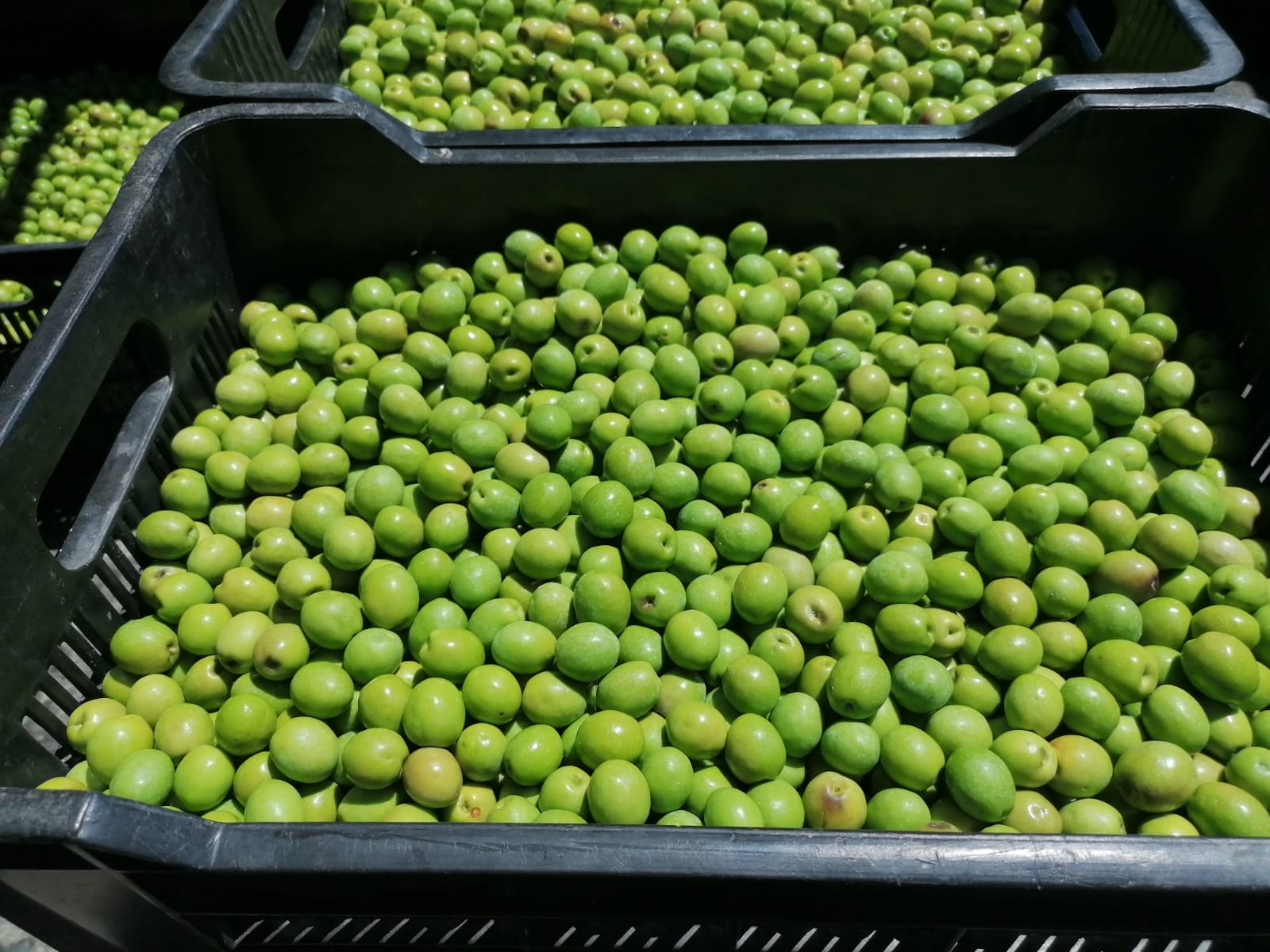
SOUTH AFRICAN OLIVES AT A GLANCE
Where they grow: Western Cape (Swartland, Klein Karoo, Paarl, Stellenbosch), the Karoo (Prince Albert, Calitzdorp), parts of the Northern Cape
Main table varieties: Mission, Manzanilla, Kalamata, Nocellara
Main oil varieties: Frantoio, Leccino, Coratina, Mission (dual-purpose)
Harvest season: March to May, with the Karoo a little later than the Western Cape coast
Industry body: SA Olive Association (saolive.co.za)
Buy direct from producer: Find a stockist near you or visit Swartrivier Farm in Prince Albert
Where olives grow in South Africa
South Africa’s olive belt runs along the Mediterranean-climate zones of the Cape: cool wet winters, hot dry summers, well-drained soils. The Swartland north of Cape Town is the historical commercial heartland. The Klein Karoo (Calitzdorp, Oudtshoorn, Prince Albert) has grown rapidly over the past 20 years because the inland climate produces lower-yield but higher-polyphenol fruit, which is what serious oil producers want (polyphenols are the antioxidants behind the peppery throat-catch in fresh extra virgin olive oil).
The Karoo terroir matters. Olives grown in semi-arid conditions develop more intense flavour compounds than coastal fruit. The same olive cultivar planted in Stellenbosch and in Prince Albert produces noticeably different oil. The Karoo version tends to be peppery, grassy and high in polyphenols. The Stellenbosch version tends to be softer and rounder.
Smaller plantings exist in the Northern Cape along the Orange River, but commercial volumes remain concentrated in the Western Cape.
The main South African olive varieties
South Africa grows roughly 15 cultivars commercially. Six dominate the shelves.
- Mission: dual-purpose, used for both table olives and oil. Originally a Spanish cultivar brought via California. Black when fully ripe. Mild, slightly nutty oil. The workhorse of the South African industry.
- Manzanilla: the classic Spanish green table olive. Crisp texture, mild flavour. Most green olives on South African supermarket shelves are Manzanilla or a Manzanilla style.
- Kalamata: Greek origin, eye-shaped, deep purple-black when ripe. Brined to a winey, slightly sweet finish. The most-recognised South African table olive in restaurants.
- Frantoio: Italian oil cultivar. Produces a peppery, grassy, robust extra virgin olive oil with strong polyphenol content. Common in Klein Karoo and Swartland oil blends.
- Leccino: Italian. Soft and round in profile. Often blended with Frantoio for balance, Frantoio brings the pepper, Leccino brings the body.
- Nocellara del Belice: the Sicilian green table olive. Buttery, fleshy, increasingly grown in the Klein Karoo for premium table-olive markets.
Several smaller plantings of Coratina, Pendolino, Picual and Arbequina exist for blending oils. Olive farms typically grow two to four cultivars and blend them to achieve the house style.
Table olives vs. oil olives: what is the difference?
The same olive is both a table olive and an oil olive at different stages of ripeness and with different processing.
Table olives are harvested green (under-ripe) or black (fully ripe), then cured in brine, salt, lye or water for weeks to months to remove the natural bitterness (the compound oleuropein). The cured fruit is the product.
Oil olives are harvested when fully ripe, then crushed at the mill, the oil separated from the paste and water, and the oil is the product. The pulp and stones go back to the soil or to animal feed.
Some cultivars are dual-purpose (Mission), some are oil-specialised (Frantoio, Coratina), some are table-specialised (Manzanilla, Nocellara).
How South African table olives are cured
Curing is what turns a bitter raw olive into something edible. Five methods are common in South Africa:
- Brine curing (also called Greek-style or natural fermentation) is the slowest but produces the most complex flavour. The fruit sits in a salt-and-water solution for two to six months. Lactic-acid fermentation builds the characteristic winey finish. Kalamata olives are traditionally brine-cured.
- Lye curing (Spanish-style) uses a sodium hydroxide solution to leach out bitterness quickly, then a brine rest. Produces the firm, mild green olive most common on supermarket shelves. Manzanilla olives are typically lye-cured.
- Dry-salt curing packs ripe black olives in coarse salt. The salt draws out water and bitterness over four to six weeks. Produces wrinkled, intense, slightly chewy olives. Traditional in Italian and North African cuisines.
- Water curing is the slowest natural method, fresh water changed daily for two to four weeks, then brine. Used at home and by smaller artisan producers.
- Oil curing packs cured olives in olive oil with herbs for a longer shelf life and a softer finish.
A label that says “naturally cured” or “brine cured” usually signals a longer, slower process and a more complex flavour. A label that says nothing about curing method is often lye-cured.
What to look for on the label
- South African origin: South African olive farms generally print their origin on the front of the jar. Imported olives (Spanish, Greek, Italian) are also widely sold but the price reflects the shipping. As a rule, South African-grown olives are fresher.
- Curing method: brine-cured, naturally cured, lye-cured, dry-salt cured. Each produces a different texture and flavour.
- Pit in or pit out: pitted olives soften faster and lose flavour in storage; pit-in olives keep longer and taste better. Recipe-ready pitted olives suit cooking; pit-in suit the cheese board.
- Acidity in oil: for extra virgin olive oil, look for free fatty acid (FFA) content below 0.8%. The Karoo and Klein Karoo cold-pressed oils typically come in around 0.2 to 0.4%.
- Harvest date: the best olive oils name the harvest year. Look for current-year or last year’s harvest. Oil older than 18 months has begun to lose freshness and polyphenol content.
The Karoo difference: why inland olives matter
The Karoo’s semi-arid climate stresses the olive tree in productive ways. Lower rainfall means the tree concentrates flavour compounds in fewer, smaller fruit. The result is oil with higher polyphenol content (the antioxidants behind the peppery throat-catch), and table olives with more intense flavour after curing.
Karoo olives also harvest a little later than coastal Cape olives, usually April-May rather than March-April. This stretches the South African olive season by several weeks and means Karoo producers can press fresh oil when the Cape coast harvest is already in storage.
The Klein Karoo (Calitzdorp, Oudtshoorn, Prince Albert) produces an increasing share of South Africa’s premium olive oils because of this. The same fruit grown in the Swartland produces a softer, less polyphenol-rich oil that, while different, is still excellent.
Where to buy South African olives direct from the producer
The retail route works (Checkers, Woolworths, Pick n Pay, Spar all stock South African-grown olives) but buying direct from the producer means a fresher product, more variety, and the chance to taste before you buy.
Most South African olive farms now offer farm-shop sales and online ordering. The Klein Karoo and Swartland producers run cellar door tastings on weekends. Prince Albert in particular has built a reputation as a slow food destination, and several olive farms in the valley welcome visitors.
At O for Olive on Swartrivier Farm, four kilometres from Prince Albert, the farm shop stocks the full range: cold-pressed extra virgin olive oil, brine-cured table olives in multiple varieties, olive tapenades, olive-based condiments and the seasonal harvest as it lands. Tastings are informal and the staff explain what makes Karoo olive oil so special.
For tours and tastings, see the Olive Farm Experience, which combines a walk through the groves, the sorting tables and the cold press with a guided tasting in the shop. The visit pairs naturally with a Swartberg Pass drive for travellers planning a Karoo weekend.
How to use South African olives in cooking
Beyond the cheese board, South African-grown olives work well with:
- Slow cooked Karoo lamb with rosemary, garlic and a handful of Kalamatas added in the last 30 minutes
- Tapenades on sourdough as a starter, for ideas, see our guide to what to do with tapenade
- Aglio e olio pasta with cracked Mission olives and a generous pour of cold-pressed extra virgin olive oil (EVOO)
- Roast vegetables, fennel, tomato, courgette, with whole black olives and a finish of extra virgin olive oil
- Braai marinades for chicken and lamb (the brine itself is a useful saltwater base)
For a deeper look at cooking with extra virgin olive oil, see our cooking with EVOO guide.
Frequently asked questions
Are olives grown in South Africa?
Yes. South Africa grows olives commercially across the Western and Northern Cape, primarily in the Swartland, the Klein Karoo and parts of the Karoo. The industry produces both table olives and extra virgin olive oil at premium quality, with several South African-grown oils winning international awards.
What is the difference between green and black olives?
The same olive, picked at different ripenesses. Green olives are picked under-ripe (firmer, more bitter, milder flavour). Black olives are fully ripe (softer, less bitter, more intense flavour). Both go through curing.
Where can I buy South African olives?
Major retailers (Checkers, Woolworths, Pick n Pay, Spar) stock South African-grown olives. For wider variety and freshness, buy direct from the producer. Many South African olive farms run online stores and farm-shop sales, including O for Olive in Prince Albert.
What is the best South African olive variety?
It depends on what you want them for. For table olives, Kalamata for cheese boards and Mediterranean cooking, Manzanilla for cocktails and martinis, Nocellara for premium snacks. For oil, Frantoio for a peppery robust style, Mission for a milder everyday oil, blends for balance.
When is the olive harvest in South Africa?
March to May, with the coastal Western Cape harvest starting in March and the Klein Karoo / inland Karoo harvest running through April and May. Fresh oil from the new harvest typically lands in shops from late April.
Are South African olives as good as imported ones?
Yes, and increasingly considered better. South African-grown olives win international awards each year. The Karoo and Klein Karoo terroir produces oils with high polyphenol content. The advantage over imports is freshness, South African olives reach the shelf within weeks of harvest, while imports may be a year old before they get there.
Are olives a fruit?
Botanically yes, olives are a fruit (specifically a drupe, the same category as cherries and almonds). The single stone, the fleshy pulp around it and the thin skin all classify it as a fruit, not a vegetable.
Plan a visit to a working Karoo olive farm
If South African olives have caught your interest beyond the supermarket shelf, the next step is a visit to a working farm. The Klein Karoo route from Prince Albert through Calitzdorp to Oudtshoorn passes several olive farms in a single day’s drive.
Plan an olive farm tour and tasting at O for Olive on Swartrivier Farm in Prince Albert, or book a table at Cafe O for lunch surrounded by the olive groves.


