
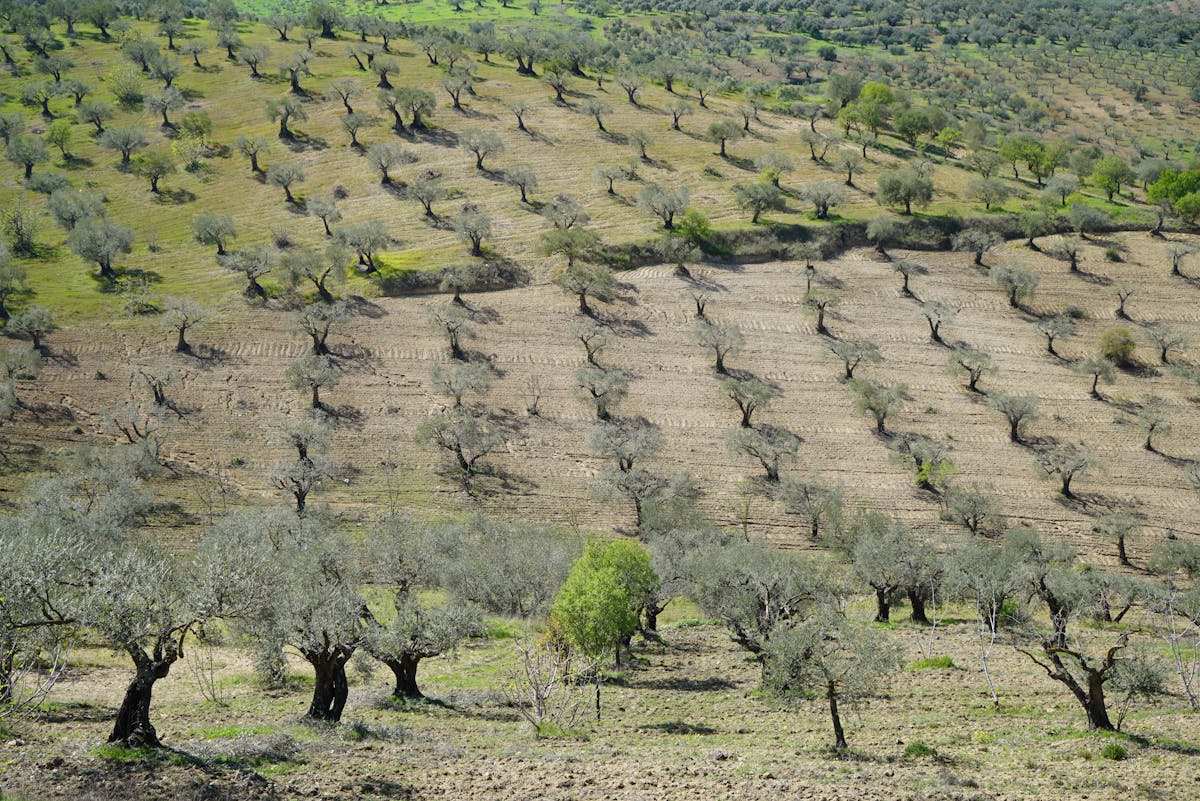
The Western Cape produces 93 percent of South Africa’s olive oil, and the farms that make it are spread across three distinct regions — the Cape Winelands (30 to 90 minutes from Cape Town), the Breede River Valley and Route 62 corridor (90 minutes to 3 hours), and the Karoo (4 to 5 hours). Each region offers a different experience: quick tastings paired with wine in the Winelands, award-winning estates along the Breede River, and immersive farm-to-table experiences in the Karoo. Here are the olive farms worth visiting, organised by route.
Cape Winelands: The Easy Day Trip
These farms are closest to Cape Town and often combine olive oil tasting with wine.
Morgenster (Somerset West, 35 minutes from Cape Town) offers free tastings of five oils alongside balsamic, olive paste and table olives. The estate grows 14 Italian cultivars and has been voted among the best EVOOs in the world four years running in the Flos Olei guide. Tokara (Stellenbosch, 45 minutes) pairs olive oil tasting with views from the Helshoogte Pass — five oils, balsamic and pastes, free of charge. Babylonstoren (Franschhoek) offers olive oil as part of its broader garden and farm experience, including a blending workshop at R350 per person.
Breede River and Route 62: The Award Winners
The valleys east of Cape Town produce some of South Africa’s most decorated olive oils.
Marbrin (Robertson) has won eight consecutive gold medals at the SA Olive Awards and ranks number one on TripAdvisor in Robertson. The tasting room offers a full range alongside tapas. Rio Largo (Breede River) is run by Nick Wilkinson, who holds a master’s degree in olive growing — the estate’s oils scored 99 out of 100 in the Flos Olei Guide 2026. Willow Creek (Worcester, Nuy Valley) has 155,000 trees across 193 hectares and offers free tastings for small groups, with picnic options available.
The Karoo: The Full Farm Experience
The Karoo olive farms are destinations in themselves — further from Cape Town but offering something the Winelands cannot: immersive, unhurried farm experiences in dramatic mountain landscapes.
O for Olive (Prince Albert, Swartrivier Farm, 4 hours from Cape Town) is a 668-hectare estate at the foot of the Swartberg Mountains with over 3,000 mature olive trees. The guided farm tour walks through the groves, sorting tables, brining room and olive press, ending with a tasting of cold pressed extra virgin olive oil, table olives and tapenades. Lunch at Café O — the only olive farm restaurant in Prince Albert — serves wood-fired pizzas, tapas and light lunches on a patio overlooking the mountains. Open Tuesday to Friday 09:00 to 16:00, weekends 09:00 to 14:00.
De Rustica (De Rust, Klein Karoo) is South Africa’s highest-ranked olive estate — its Coratina scored 97 out of 100 at EVOOLEUM Spain in 2023. Guided tours run at 11:00 and 14:00 daily by appointment. Kredouw Olive Estate (Prince Albert Valley, 25 km from town) combines olive tasting with an art studio run by co-owner Louisa Punt-Fouché.
What to Know Before You Go
Most Winelands tastings are free. Karoo farms may charge a small fee for guided tours (O for Olive is R180 per tour group). Booking ahead is recommended for all Karoo farms and essential for De Rustica. The olive harvest season runs from April to June — visiting during harvest offers the chance to see the pressing process in action. Bring a cooler bag for purchases: fresh cold pressed olive oil should be kept out of direct sunlight and heat.
For the Winelands, a half-day is enough. For the Karoo, plan at least an overnight stay — Prince Albert alone has enough restaurants, galleries and the Swartberg Pass to fill a full weekend.
Plan your visit to O for Olive — farm tour, olive tasting and lunch at Café O, at the foot of the Swartberg Mountains in Prince Albert.

