
Olive oil contains up to 300 times more squalene than any other vegetable oil — the same compound human skin produces naturally to stay moisturised and protected. A 2024 clinical trial published in Medicina found that olive oil polyphenols applied topically reduced wrinkles by 34 to 52 percent in 30 days. But there is a caveat: a University of Sheffield study found that topical olive oil can damage the skin barrier in some people, and its moderate comedogenic rating makes it unsuitable for oily or acne-prone skin. The emerging consensus is that eating high-quality cold pressed extra virgin olive oil may deliver better, safer skin benefits than applying it directly.
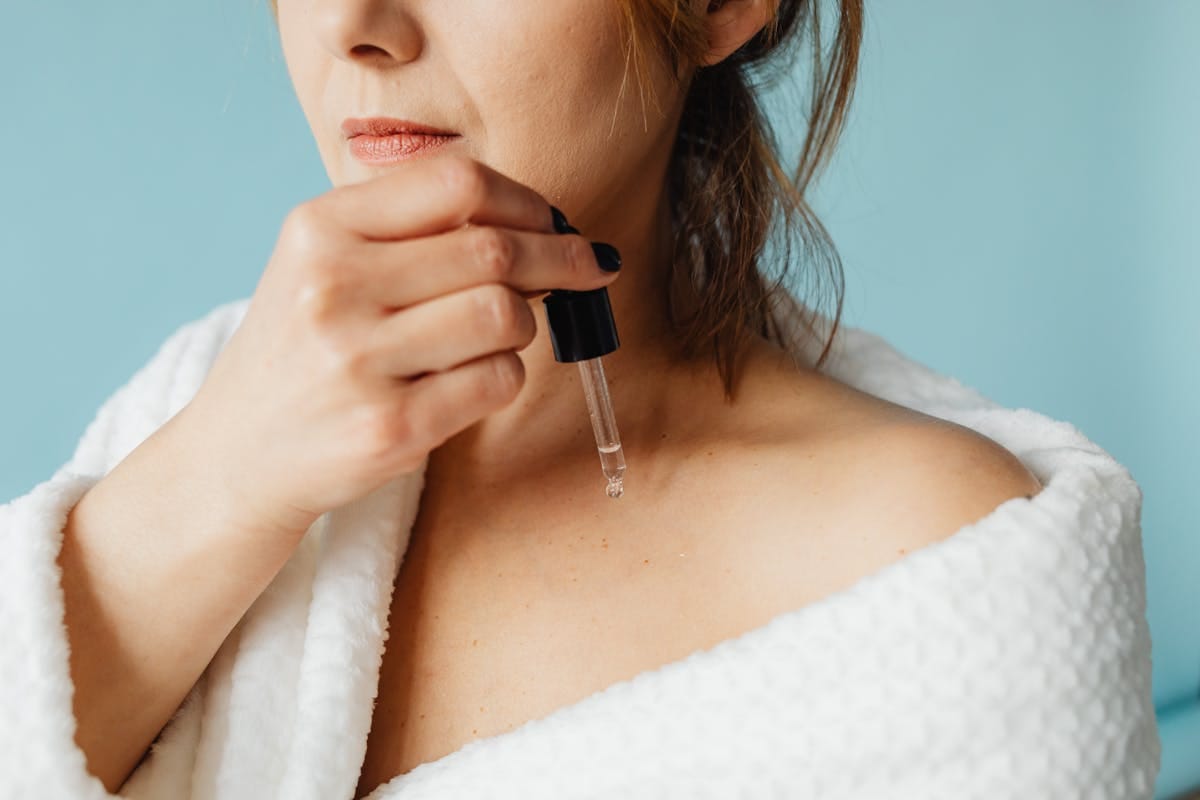
Why Olive Oil Works for Skin
The key compound is squalene. Human sebaceous glands produce squalene as part of the skin’s natural moisture barrier, but production peaks around age 30 and declines steadily after that. Extra virgin olive oil is the richest plant source of squalene available — it contains concentrations hundreds of times higher than other cooking oils. When absorbed through the skin or consumed in the diet, it helps replenish what the body produces less of with age.
Beyond squalene, cold pressed extra virgin olive oil contains oleocanthal (the anti-inflammatory compound that works like ibuprofen), hydroxytyrosol (a potent antioxidant), and vitamins E, A and K. These compounds scavenge the free radicals generated by UV exposure and reduce the oxidative stress that accelerates skin ageing.
The Wrinkle Reduction Study
A 2024 randomised clinical trial involving 70 participants tested a serum containing oleocanthal and oleacein — two polyphenols found exclusively in virgin olive oil. Applied twice daily for 30 days, the serum reduced wrinkles by 33.91 percent in women aged 45 to 79 and by 46.56 percent in men of the same age group. In younger men (20 to 44), wrinkle reduction reached 51.93 percent. The mechanism: the polyphenols stimulate fibroblasts, the cells responsible for collagen production and skin repair.
The Honest Risks
A 2013 study at the University of Sheffield tested topical olive oil on adult forearms over five weeks. The result was clear: olive oil significantly damaged the skin barrier, as measured by transepidermal water loss. Sunflower seed oil, by contrast, preserved and improved it. The damage is attributed to oleic acid disrupting the lipid structure of the outer skin layer.
Olive oil also carries a comedogenic rating of 2 to 3 on a scale of 5 — moderate, but enough to cause breakouts in people with oily or acne-prone skin. Those with eczema or atopic dermatitis should avoid topical application entirely. For context, coconut oil scores 4 — significantly worse — but olive oil is not risk-free on the face.
Eating It May Be Better Than Applying It
A French study tracking nearly 3,000 adults found that higher consumption of monounsaturated fatty acids — primarily from olive oil — was associated with significantly lower risk of severe photoageing. The dietary route delivers polyphenols systemically, reaching skin cells through the bloodstream without any risk of pore clogging or barrier disruption. Dermatologists increasingly suggest that the most effective way to get olive oil’s skin benefits is to consume one and a half tablespoons of high-quality cold pressed extra virgin olive oil daily.
The timeline for visible results from dietary consumption is four to six weeks for improved hydration and glow, and eight to twelve weeks for improved texture, reduced fine lines and better elasticity.
Why Cold Pressed Matters for Skin
Oleocanthal and hydroxytyrosol — the compounds behind the wrinkle reduction and anti-inflammatory findings — are destroyed by heat and chemical refining. Refined olive oil contains close to zero polyphenols. Only cold pressed extra virgin olive oil, extracted below 27 degrees Celsius, retains the full spectrum of skin-active compounds. The peppery sting at the back of the throat when tasting fresh EVOO is oleocanthal itself — if the oil does not sting, the polyphenols are gone.
At O for Olive, every bottle from Swartrivier Farm in Prince Albert is cold pressed within 24 hours of harvest. The polyphenols are preserved from grove to bottle.
Find a stockist near you or visit the farm to taste the difference.

