
Up to 70% of extra virgin olive oil sold in supermarkets worldwide fails to meet the quality standards printed on its own label, according to research conducted by the University of California, Davis — a finding that raises serious questions about what South African consumers are actually pouring over their food.
The problem is not limited to bargain-bin bottles. Studies published by the UC Davis Olive Center, along with investigations by consumer watchdog organisations in Europe and Australia, have found that mislabelling, adulteration and quality degradation affect products at every price point. For South African buyers, the issue is compounded by the distance that imported oil must travel and the time it spends in warehouses and on shelves before reaching a kitchen. Understanding how to identify real extra virgin olive oil is no longer a matter of connoisseurship — it is a matter of getting what you are paying for.
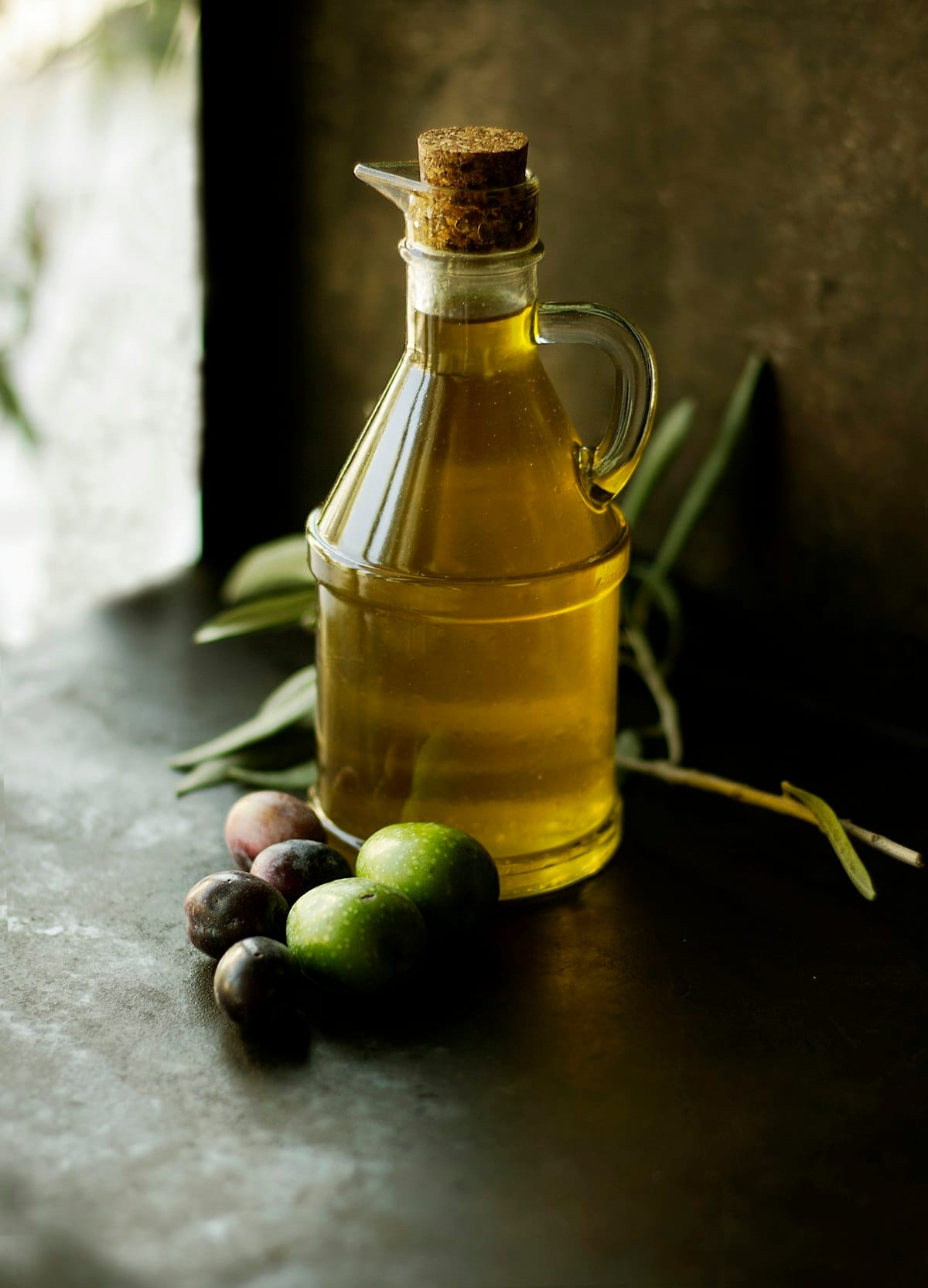
What “Extra Virgin” Actually Means
The term “extra virgin” is not a marketing phrase. It is a legally defined quality grade governed by the International Olive Council (IOC), and it requires that the oil meets strict chemical and sensory standards. To qualify as extra virgin, olive oil must be extracted from fresh olives by mechanical means only — no heat, no chemical solvents — and must have a free acidity level of no more than 0.8%. The oil must also pass a taste panel test, demonstrating positive attributes such as fruitiness, bitterness and pungency, with no sensory defects.
In practice, this means real extra virgin olive oil is fresh juice. The olives are picked, crushed and pressed within hours, and the oil is bottled without further processing. It retains the full spectrum of polyphenols, antioxidants and volatile compounds that give quality olive oil its health benefits and distinctive flavour.
Any oil that has been chemically refined, blended with other vegetable oils or produced from degraded olives does not meet the extra virgin standard — regardless of what the label claims.
How Fake Olive Oil Is Made
Olive oil fraud takes several forms, and not all of them are immediately obvious to the consumer. The most common method is blending. Lower-grade refined olive oil — or in some cases, entirely different oils such as sunflower, canola or soybean — is mixed with a small percentage of genuine extra virgin oil. The blend is given a colour and flavour that approximates the real product, then labelled as extra virgin.
A second form of fraud involves selling oil that was once extra virgin but has degraded due to age, heat exposure or poor storage. Olive oil is a perishable product. Its polyphenol content and flavour profile begin to decline within months of pressing, and exposure to light or heat accelerates the process. Oil that was genuinely extra virgin at the point of bottling may no longer meet the standard by the time it reaches a South African shelf, particularly if it has spent months in transit from the Mediterranean.
A third method is outright mislabelling, where refined olive oil or pomace oil — extracted from the leftover pulp using chemical solvents — is packaged and sold as extra virgin. Investigations by Europol and Interpol have repeatedly identified olive oil as one of the most commonly adulterated food products in the world.
How to Spot Fake Extra Virgin Olive Oil
There are several practical tests that South African consumers can apply when choosing olive oil, even without laboratory equipment.
Taste: Real extra virgin olive oil should have a noticeable peppery bite at the back of the throat. It may taste bitter, grassy, herbaceous or fruity, depending on the olive variety. If the oil tastes flat, greasy, waxy or like nothing at all, it is almost certainly not genuine extra virgin. The peppery sensation is caused by oleocanthal, a polyphenol with anti-inflammatory properties — its presence is a reliable indicator of quality.
Smell: The oil should smell fresh. Common positive aromas include cut grass, green tomato, artichoke, almond and fresh herbs. Negative aromas — such as crayons, cardboard, vinegar or rancid nuts — indicate defective oil that does not meet the extra virgin standard.
Colour: Contrary to popular belief, colour is not a reliable indicator of quality. Real extra virgin olive oil can range from deep green to pale gold, depending on the olive variety, harvest time and region. Fraud investigators have noted that some adulterated oils are dyed green to appear more authentic.
Price: Real extra virgin olive oil cannot be produced cheaply. The olives must be hand-picked or carefully harvested, pressed within hours and bottled without shortcuts. If a litre of oil costs less than R150 on a South African shelf, it is worth questioning how it was made. Genuine single-estate extra virgin olive oil typically retails for R200 to R400 per litre, reflecting the true cost of production.
Harvest date: Look for a harvest date on the bottle, not just a “best before” date. A harvest date tells you when the olives were picked, which is the most important indicator of freshness. Oil from the most recent harvest will have the highest polyphenol content and the best flavour. If there is no harvest date, the producer may be obscuring the age of the oil.
Why South African Olive Oil Is a Safer Choice
South Africa’s olive oil industry is relatively young, but that youth is an advantage. The country’s olive farms are predominantly small to medium-scale operations that press their own fruit on-site and bottle it within days of harvest. The supply chain from grove to shelf is short — often no more than a few weeks — which dramatically reduces the opportunities for degradation, adulteration and mislabelling.
The SA Olive Association runs a Commitment to Compliance (CTC) programme that tests members’ oil against IOC chemical and sensory standards. Products that pass are entitled to carry the CTC seal, which provides an additional layer of assurance for consumers. EVOOSA (Extra Virgin Olive Oil South Africa) is another certification that verifies quality at the point of bottling.
South African producers also benefit from a climate that suits olive cultivation. The Western Cape, in particular, has Mediterranean-type conditions — warm, dry summers and cool, wet winters — that produce olives with high polyphenol content and excellent flavour profiles. Regions such as the Karoo, Franschhoek, Paarl and the Swartland have developed strong reputations for quality production.
The Health Benefits That Are at Stake
The distinction between real and fake extra virgin olive oil is not merely a matter of flavour. The health benefits associated with olive oil — widely cited by researchers at Harvard Medical School, the Cleveland Clinic and the European Journal of Clinical Nutrition — are specific to genuine extra virgin oil and its polyphenol content.
Polyphenols, including oleocanthal and oleuropein, have been shown to reduce inflammation, protect against cardiovascular disease, lower LDL cholesterol and support brain health. A landmark study published in the New England Journal of Medicine found that a Mediterranean diet supplemented with extra virgin olive oil reduced the incidence of major cardiovascular events by 30%.
These benefits apply to real extra virgin olive oil. Refined olive oil, blended oil and adulterated products contain significantly fewer polyphenols — in some cases, none at all. Consumers who choose olive oil for its health properties are, in effect, wasting their money if the product is not genuinely extra virgin.
O for Olive: Traceable, Single-Estate Production
O for Olive, located on Swartrivier Farm in Prince Albert, is an example of the kind of producer that makes South African olive oil a trustworthy choice. The estate grows, presses and bottles its own olives on-site, with full traceability from grove to shelf. The oil is cold pressed within hours of picking and is never blended, refined or chemically treated.
Visitors to the farm can see the olive groves, walk through the pressing facility and taste the oil directly from the production line — an experience that no imported brand can offer. The estate produces a range of extra virgin olive oils, including single-varietal and blended options, as well as flavoured oils, tapenades and olive-based skincare products.
For buyers who cannot visit the farm, O for Olive products are available through the online shop and at selected retailers across South Africa.
Taste the Real Thing
In a market where the majority of products on supermarket shelves may not be what they claim, knowing how to identify real extra virgin olive oil is a valuable skill. The simplest approach is to buy from a producer whose supply chain you can see and whose product you can taste. Visit O for Olive at Swartrivier Farm in Prince Albert to taste the difference that real, cold pressed, single-estate extra virgin olive oil makes — or find a stockist or contact us directly.

