
The Swartberg Pass, a UNESCO World Heritage Site carved through ancient quartzite mountains, has become one of the most celebrated road trip routes in the Western Cape — and the small Karoo town of Prince Albert, waiting on the other side, is the reason more travellers are making the journey every year.
The 27-kilometre gravel pass, built by master road engineer Thomas Bain between 1881 and 1888, connects the lush Klein Karoo to the arid Great Karoo through a landscape so geologically significant that it earned its place on the UNESCO list in 2011. For visitors driving from Cape Town, it is the dramatic final act of a road trip that combines coastal scenery, wine country charm and high-mountain spectacle in a single day.
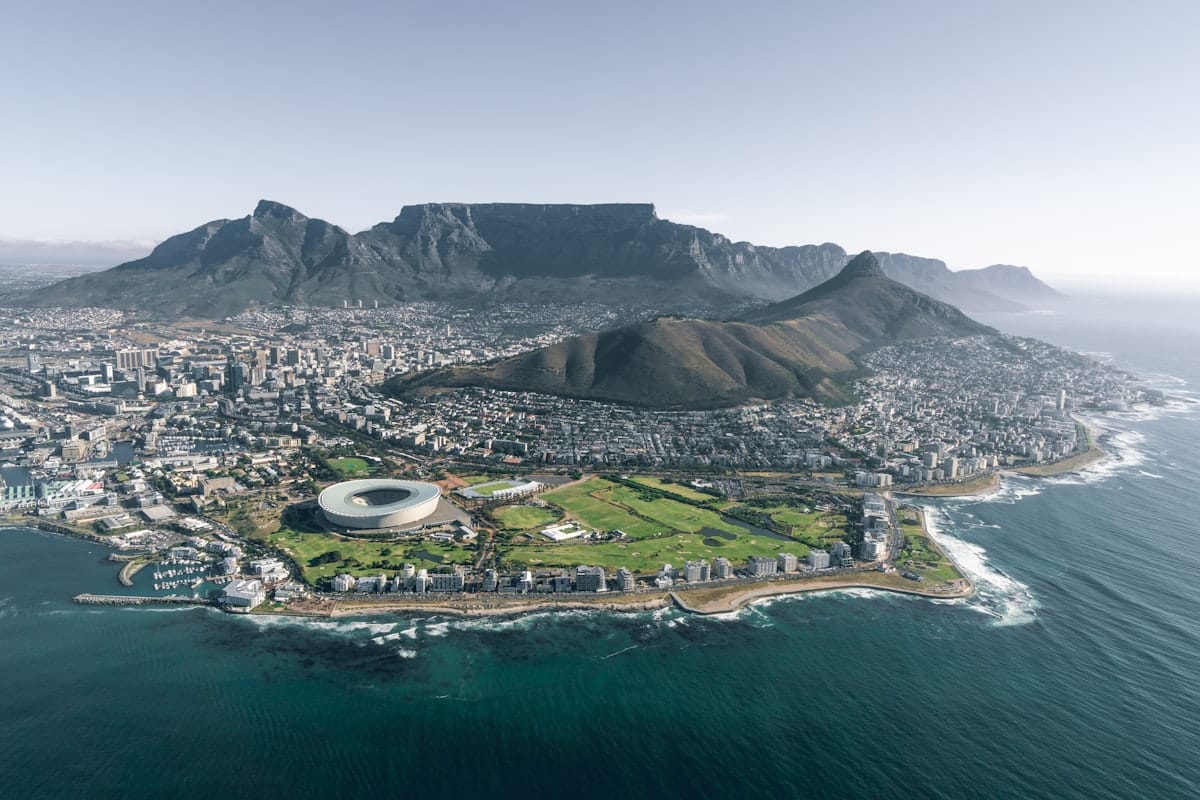
Two Routes from Cape Town to the Swartberg Pass
There are two main routes from Cape Town to the Swartberg Pass, each offering a distinct experience. The faster option follows the N1 highway north through the Huguenot Tunnel and across the Central Karoo, turning off at Matjiesfontein or Three Sisters before heading south to Prince Albert. This route covers approximately 400 kilometres and takes around four and a half hours without stops.
The more scenic alternative follows the N2 east toward Somerset West before joining Route 62 — often called the longest wine route in the world — through Robertson, Montagu, Barrydale and Ladismith. From Oudtshoorn, the road climbs north into the Swartberg. This route stretches to roughly 500 kilometres but rewards travellers with vineyard valleys, small-town farm stalls and the Langeberg mountain range as a constant companion.
For those with time, the Route 62 approach is the stronger choice. It allows for a lunch stop in Barrydale or Montagu and arrives at the foot of the Swartberg in the late afternoon light, when the mountains glow a deep rust-orange.
Driving the Pass: What to Expect
The Swartberg Pass itself is a 27-kilometre gravel road that takes approximately 90 minutes to drive at a comfortable pace. Despite its dramatic appearance — with hairpin bends, sheer drops and quartzite folds that date back 300 million years — the pass does not require a 4×4 vehicle. A standard sedan with reasonable ground clearance will manage the route in dry conditions, though drivers should proceed slowly and stay alert for oncoming traffic on narrow sections.
The road climbs to a summit of 1,583 metres above sea level, and the views from the top are among the most photographed in the Western Cape. On clear days, the folds of the Swartberg stretch east and west as far as the eye can see, layered in shades of ochre, grey and green. Several pull-off points along the route allow drivers to stop safely and take in the landscape.
The geological formations visible from the road are remarkable. The tightly compressed quartzite folds, pushed upward by tectonic forces over hundreds of millions of years, create a visual record of the earth’s deep history. Geologists and nature enthusiasts regularly cite the Swartberg as one of the finest examples of Cape Fold Belt geology on the planet.
The Detour to Die Hel (Gamkaskloof)
Near the summit, a gravel road branches off toward Gamkaskloof, commonly known as Die Hel. This remote valley was home to a small farming community that lived in near-complete isolation until a road was built in 1962. Today, the valley is managed by CapeNature and is open to day visitors and overnight guests. The drive down into Die Hel is steep and narrow — a high-clearance vehicle is recommended — but the valley floor, surrounded by towering cliffs on all sides, is one of the most extraordinary landscapes in South Africa.
Those who do not wish to make the full descent can drive the first few kilometres of the Die Hel road for elevated views back across the Swartberg range before returning to the main pass.
Best Time to Visit
The Swartberg Pass is accessible year-round, though each season offers a different experience. Summer months from December to February bring the longest daylight hours and the best chance of wildflowers on the mountain slopes. Autumn, particularly April, coincides with the Prince Albert Olive Festival — a celebration of the town’s growing reputation as an olive-producing region.
Winter can bring occasional snowfall to the summit, and the pass may close temporarily after heavy rain. Spring is mild and green, with the Karoo vegetation at its freshest. Regardless of season, travellers should start the pass crossing before 4pm to ensure they complete the drive in daylight.
Arriving in Prince Albert: First Stop at O for Olive
As the pass descends into the Great Karoo, the road straightens and the town of Prince Albert appears in the distance — a cluster of white-walled Cape Dutch buildings set against the northern face of the Swartberg. The town has a population of roughly 7,000 and a pace of life that belongs to another era.
For travellers arriving from the pass, O for Olive at Swartrivier Farm is the ideal first stop. Located on one of Prince Albert’s original olive farms, the estate offers guided olive tastings where visitors can sample the farm’s cold-pressed extra virgin olive oils and learn about the production process from grove to bottle. Café O, the on-site restaurant, serves a farm-to-table menu that draws on Karoo ingredients and the estate’s own olive oil, making it an excellent place to recover from the drive with a long lunch under the trees.
The farm shop stocks the full range of O for Olive products, including flavoured olive oils, olive tapenade, soap and skincare made from the estate’s harvest. It is a popular stop for visitors who want to take a piece of the Karoo home.
Other Prince Albert Stops Worth Your Time
Beyond O for Olive, Prince Albert has a small but rewarding collection of stops. Gay’s Guernsey Dairy produces artisan cheese and yoghurt from a herd of Guernsey cows, and visitors can watch the cheese-making process on weekday mornings. The Lazy Lizard café is a local institution serving breakfasts and light meals in a garden setting. The Fransie Pienaar Museum, housed in one of the town’s historic buildings, tells the story of Prince Albert’s founding and its Karoo heritage.
On Saturdays, the Prince Albert Market draws residents and visitors with stalls selling fresh produce, baked goods, handmade crafts and local preserves. It is one of the better small-town markets in the Western Cape and a good place to meet the people who call this valley home.
For those staying overnight, the town offers a range of accommodation from heritage guesthouses to self-catering cottages. The evenings in Prince Albert are famously dark and quiet — the town is increasingly recognised as a stargazing destination, with minimal light pollution and clear Karoo skies.
Practical Information for the Drive
Fuel is available in Oudtshoorn and Prince Albert, but there are no fuel stations on the pass itself. Travellers should fill up before beginning the ascent. Mobile phone signal is intermittent on the pass and largely absent in Die Hel.
The gravel road is maintained by the Western Cape roads department and is generally in good condition, but potholes can develop after heavy rain. Drivers should check road conditions with the Prince Albert tourism office before setting out, particularly in winter. The pass is not toll-gated and is free to drive.
For those who prefer not to drive the gravel section, a tarred alternative exists via the N12 from Oudtshoorn to Prince Albert. It is longer but fully paved and suitable for any vehicle.
Make O for Olive Your First Stop in Prince Albert
The Swartberg Pass road trip is one of the finest day drives in South Africa, and Prince Albert is the destination that makes it worth the journey. Whether arriving for a farm lunch, an olive tasting or a weekend in the Karoo, O for Olive at Swartrivier Farm is where the road trip finds its reward. Plan your visit and explore the full range of estate-produced olive oils, Karoo meals and farm experiences at oforolive.co.za.

